
Articles & Practical Guides
Engineering tips, technical tutorials, and real-world software advice from our team.

Drupal’s Configuration Management Explained
Drupal’s Configuration Management transforms site settings into version‑controlled code, aligning the platform with modern development practices. By exporting configuration to YAML, leveraging tools like Config Split, and automating the import process, teams can achieve consistent environments, faster releases, and reduced risk of configuration drift. Adhering to the best practices outlined in this article, such as committing all configuration, separating secrets, and validating imports, will ensure a stable, maintainable Drupal ecosystem that scales with the needs of any organization.

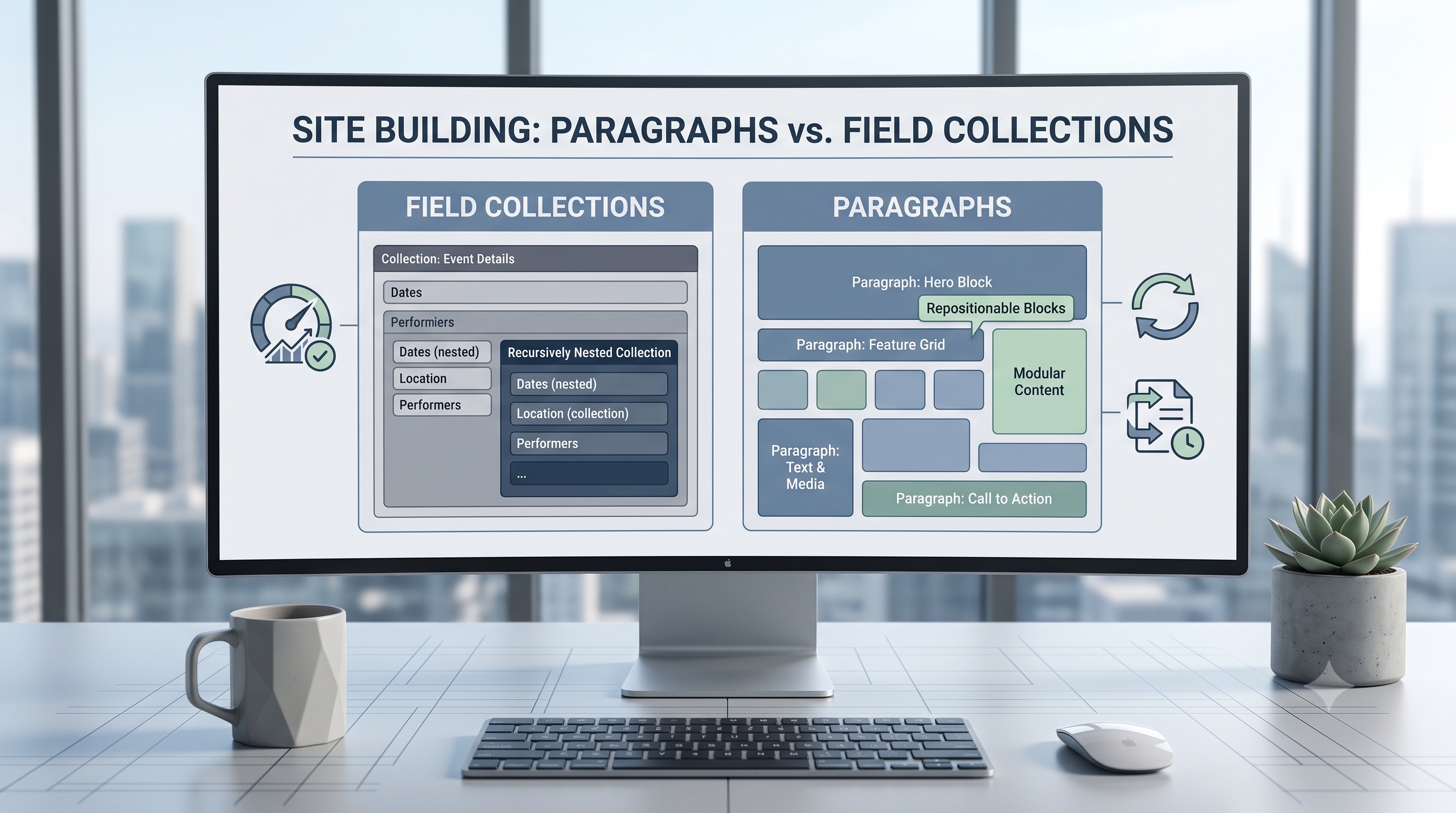
Site Building with Paragraphs vs. Field Collections
Choosing between paragraphs and field collections is not a binary decision; it depends on the specific needs of the site, the editorial workflow, and performance considerations. Paragraphs excel in scenarios that demand reuse, independent revisions, and fine‑grained access control. Field collections shine when simplicity, low overhead, and rapid development are the primary goals. By applying the outlined best practices and decision framework, development teams can construct robust, maintainable content models that align with both business objectives and technical constraints.

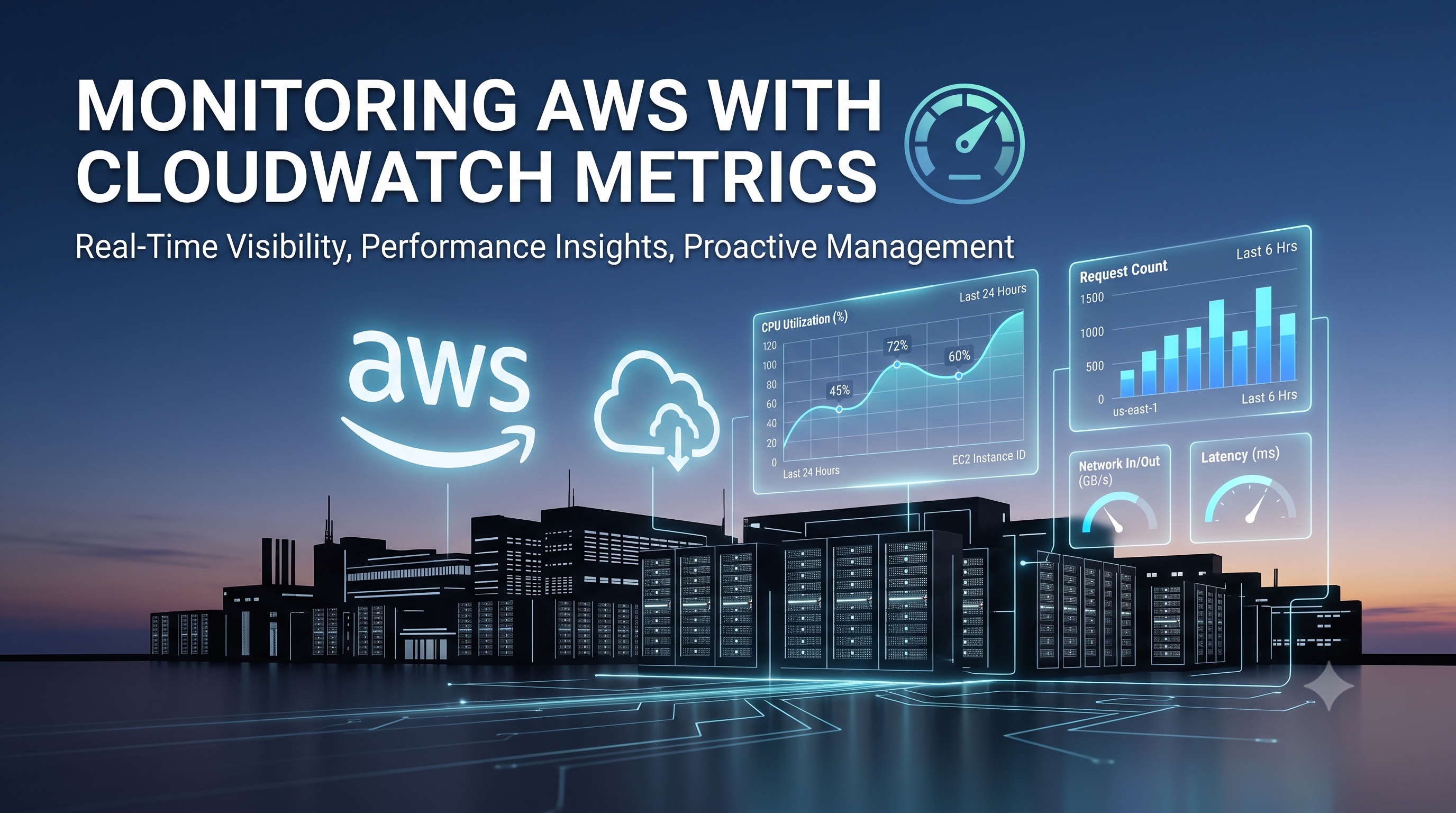
Monitoring with CloudWatch Metrics
Monitoring with CloudWatch metrics provides a scalable, flexible foundation for maintaining the health and performance of AWS workloads. By understanding metric types, establishing disciplined collection processes, configuring precise alarms, and following best practices, organizations can achieve rapid detection of issues, informed capacity planning, and automated remediation. Integrating CloudWatch with complementary AWS services further amplifies its capabilities, turning raw data into actionable insight. A thoughtful monitoring strategy built on CloudWatch metrics is essential for delivering reliable, cost‑effective cloud solutions.


Handling File Uploads Securely
Secure file upload handling is a multi‑layered discipline that combines strict validation, controlled storage, active scanning, and vigilant monitoring. By adhering to the principles and steps outlined in this article, developers can dramatically reduce the risk of malicious files compromising their applications. Continuous testing, regular updates, and a proactive security mindset ensure that the upload functionality remains a trusted component of the overall system architecture.


SSH Tunnels for Secure Access
SSH tunnels provide a lightweight, robust method for encrypting arbitrary TCP traffic without the overhead of a full‑scale VPN. By mastering local, remote, and dynamic forwarding, professionals can secure database connections, expose internal services safely, and create on‑demand proxy solutions. Applying strict authentication, limiting forwarding permissions, and maintaining diligent monitoring ensures that the convenience of SSH tunneling does not compromise overall security posture.

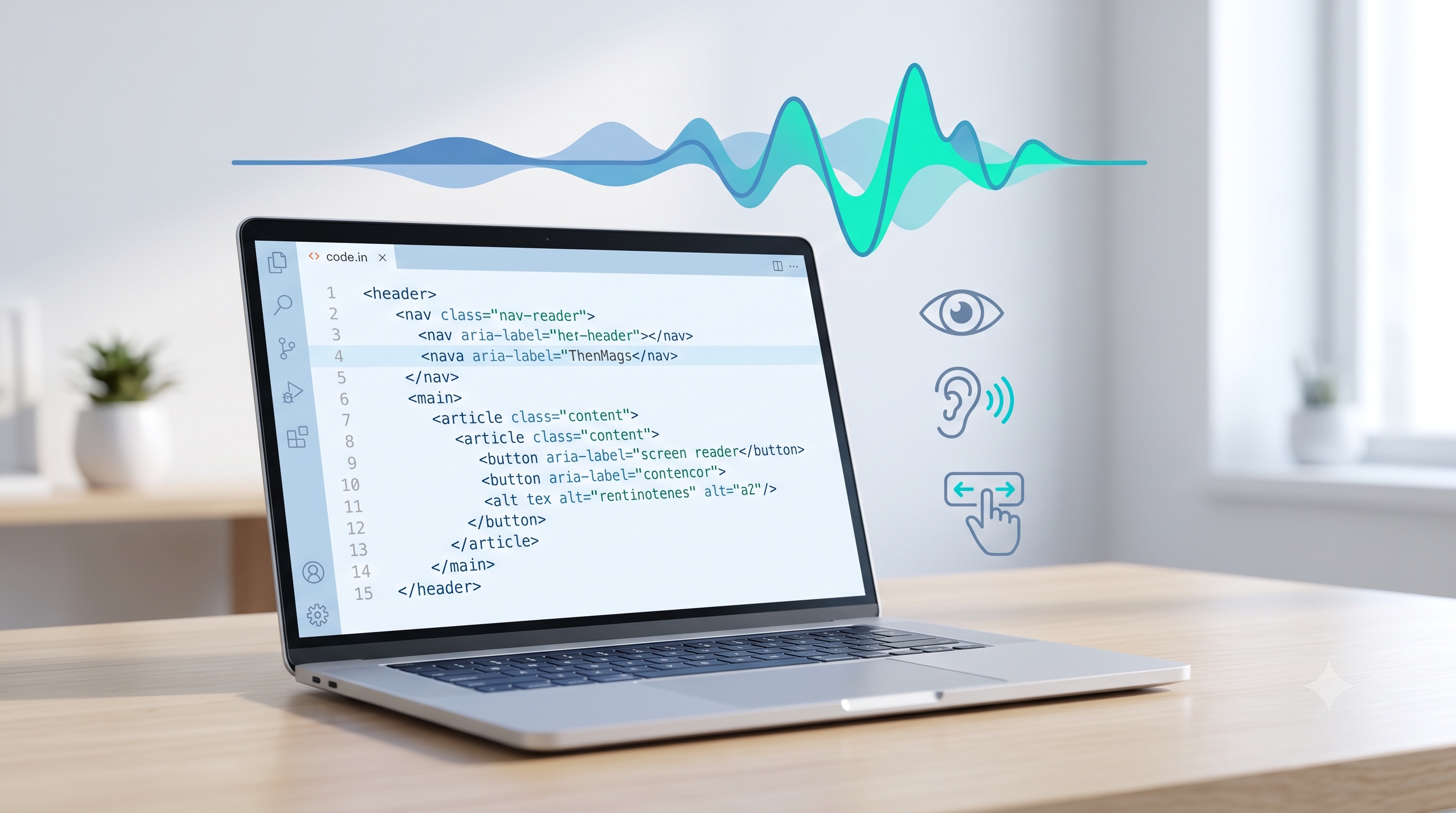
Writing Accessible HTML
Writing accessible HTML is a disciplined practice that blends semantic markup, thoughtful ARIA usage, keyboard-friendly design, and rigorous testing. By adhering to WCAG principles and integrating accessibility checks into the development pipeline, teams deliver experiences that serve the widest possible audience. The effort invested today reduces future remediation costs, enhances brand reputation, and fulfills legal obligations. Embrace accessibility as a foundational quality attribute, not an afterthought, and the web will become a more inclusive space for all users.
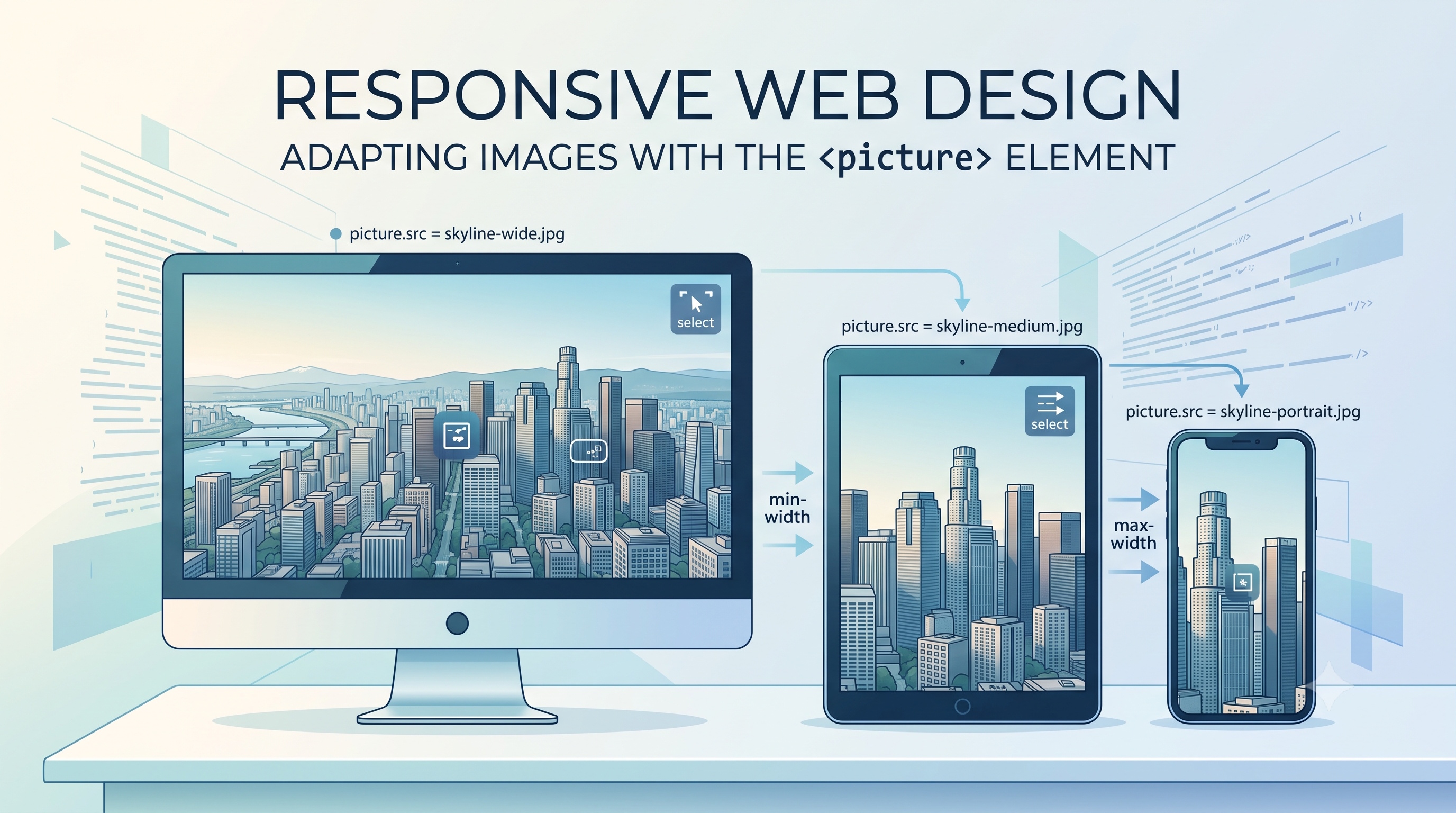
Using Picture Element for Responsive Images
Responsive design is no longer optional; it is a baseline expectation for modern web experiences. One of the most visible aspects of a responsive site is how images adapt to different screen sizes, resolutions, and device capabilities. The HTML `<picture>` element, together with `<source>` and `srcset`, provides a standards‑based solution that gives developers fine‑grained control over which image variant is delivered. This article explains the purpose of the `<picture>` element, walks through its syntax, explores advanced scenarios, and offers practical guidance for performance, testing, and deployment.

Managing Dependencies with Composer
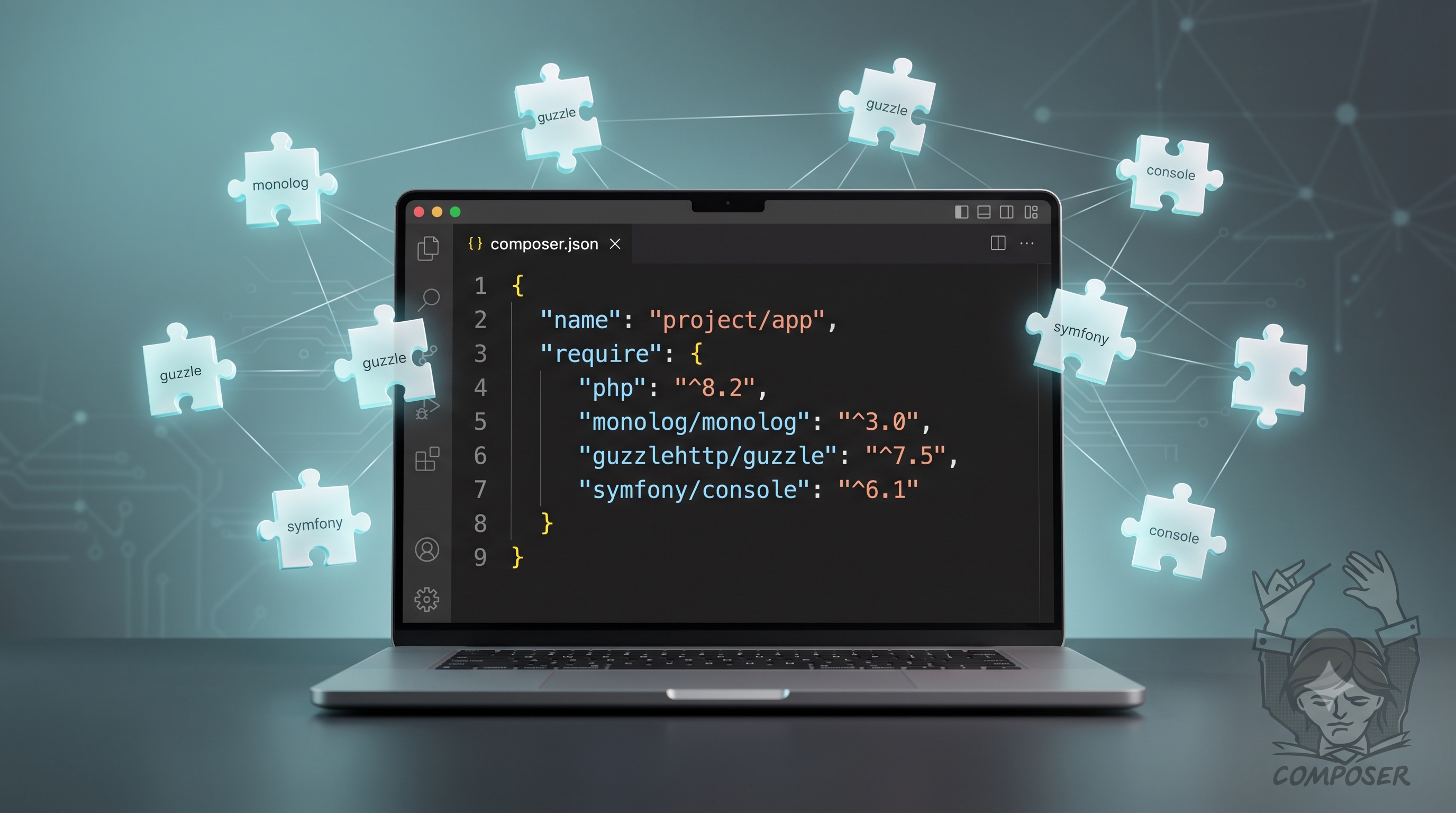
Composer has become the de‑facto standard for PHP dependency management. By defining precise version constraints, committing the lock file, and following a disciplined workflow, development teams can achieve reproducible builds, reduce security risk, and streamline collaboration. Integrating Composer commands into continuous integration pipelines, automating security audits, and adhering to best practices ensures that a project remains maintainable as it scales. Mastery of Composer is therefore essential for any professional PHP developer who wishes to deliver reliable, secure, and performant applications.
Authentication vs. Authorization
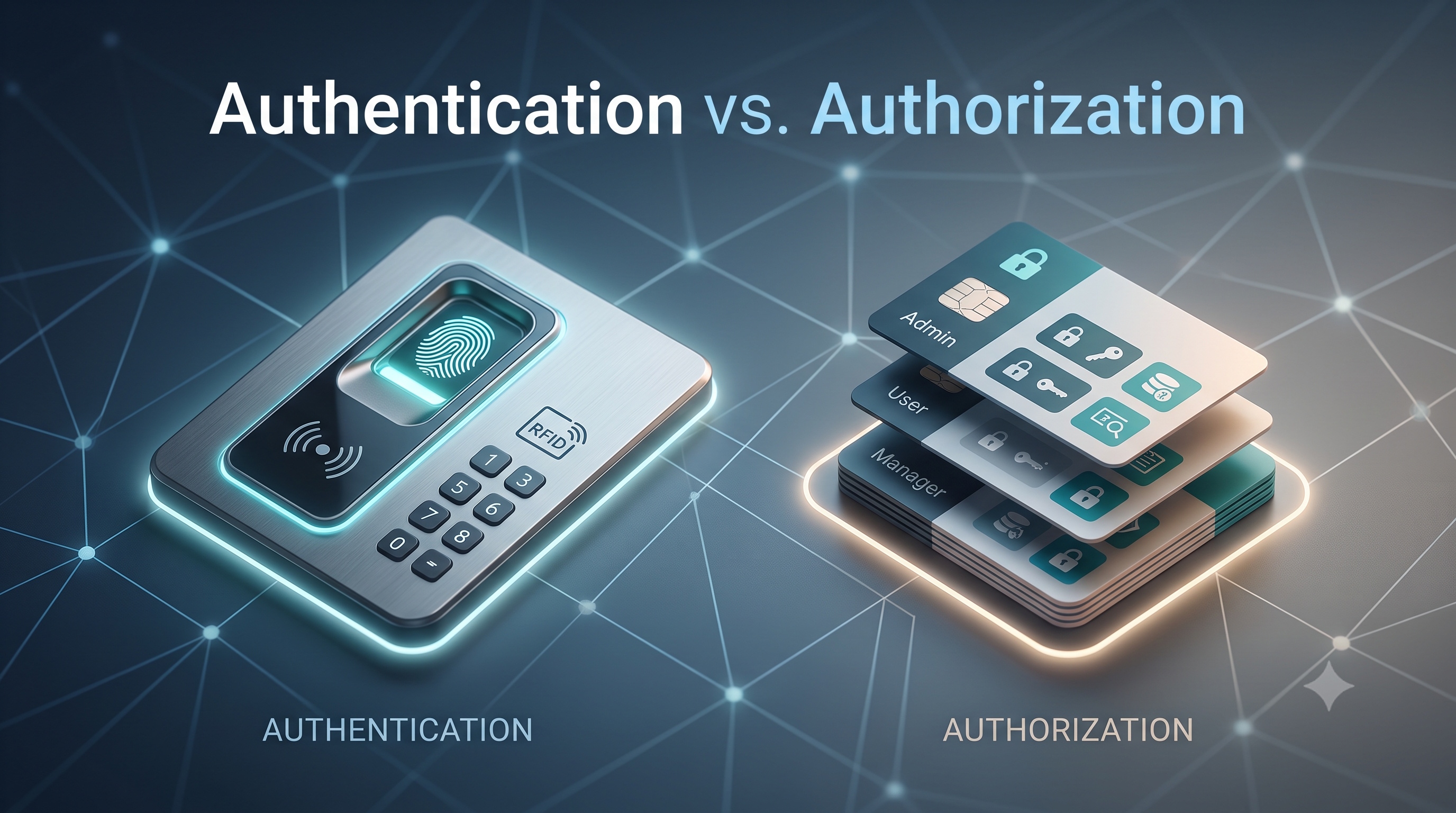
Authentication and authorization are complementary pillars of access control. Authentication answers “who” by verifying identity, while authorization answers “what” by enforcing permissions based on that identity. Confusing the two can lead to insecure designs, data breaches, and regulatory penalties. A clear separation of responsibilities, combined with robust implementation strategies such as multi‑factor authentication, fine‑grained policy evaluation, and continuous monitoring, creates a strong security foundation. As threats evolve, organizations must revisit both mechanisms regularly, ensuring that they remain aligned with business goals and emerging compliance requirements.