
Articles & Practical Guides
Engineering tips, technical tutorials, and real-world software advice from our team.
EditorConfig for Consistent Formatting
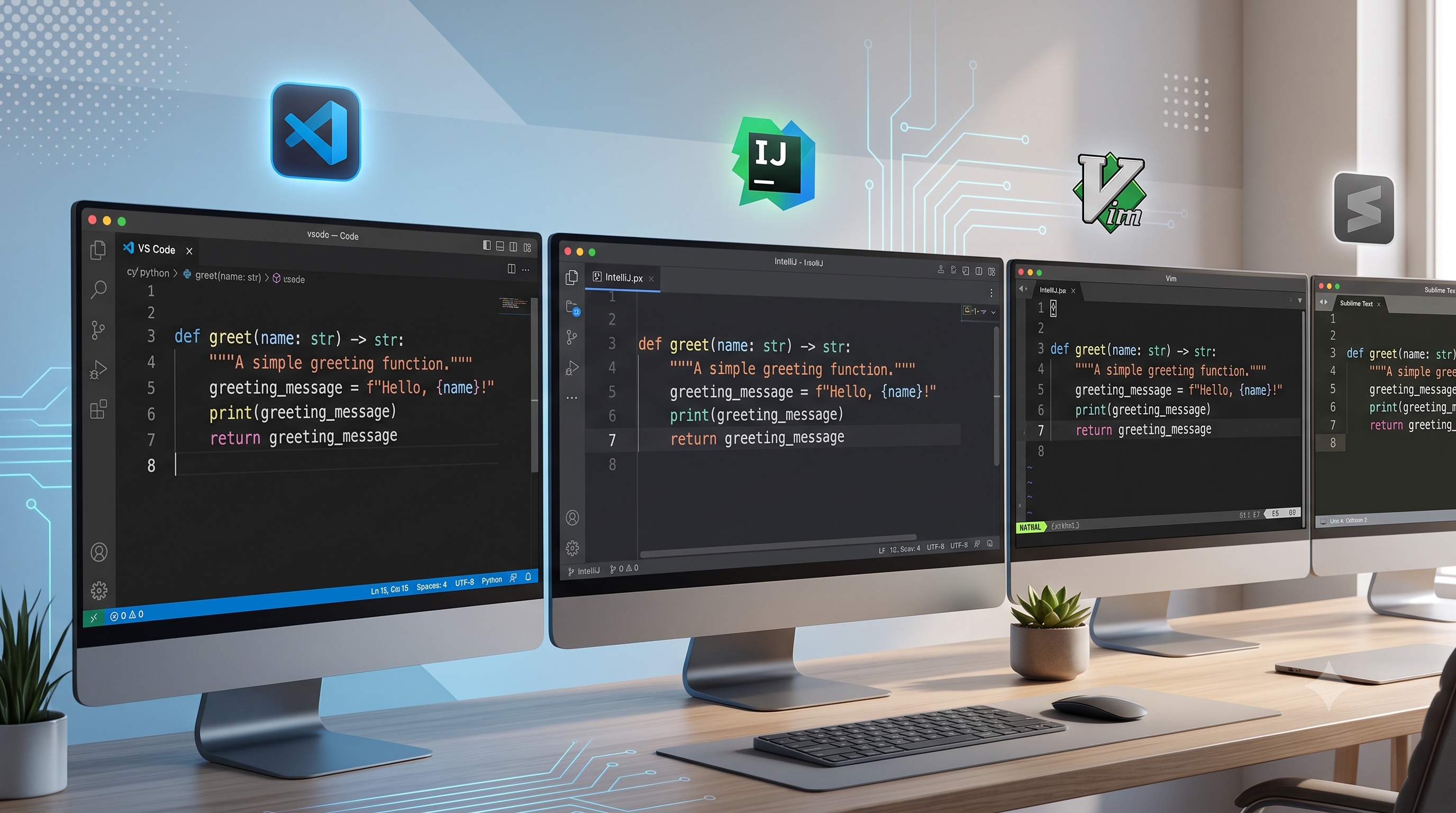
EditorConfig offers a straightforward, language-agnostic solution for enforcing consistent formatting across diverse development environments. By defining a single .editorconfig file at the project root, teams can ensure that indentation, line endings, character encoding, and whitespace handling remain uniform, regardless of the editor or IDE each developer prefers. Integrating EditorConfig with IDE plugins, CI checks, and pre-commit hooks creates a robust workflow that catches style deviations early, reduces manual effort, and improves overall code quality. When combined with clear documentation and periodic reviews, EditorConfig becomes a foundational element of a disciplined, collaborative development process.


CSS Transitions and Animations
CSS transitions and animations empower developers to create engaging, responsive interfaces without reliance on heavy scripting. By mastering the core properties, understanding the distinction between state‑driven transitions and keyframe‑based animations, and adhering to performance and accessibility best practices, you can deliver motion that enhances usability rather than distracts. Consistent implementation, thorough testing, and respect for user preferences will ensure that motion remains an asset in modern web design.


Using PHPUnit for Unit Testing
Unit testing is a cornerstone of modern software development. It provides developers with immediate feedback about the correctness of individual pieces of code, reduces regression risk, and supports refactoring with confidence. PHPUnit is the de-facto standard testing framework for PHP applications, offering a rich set of features that align with the principles of test-driven development (TDD) and behavior-driven development (BDD). This article presents a comprehensive guide to using PHPUnit effectively, from installation to advanced techniques, and explains how to integrate it into continuous integration pipelines.

Building Custom Fields: Text, Image, Reference
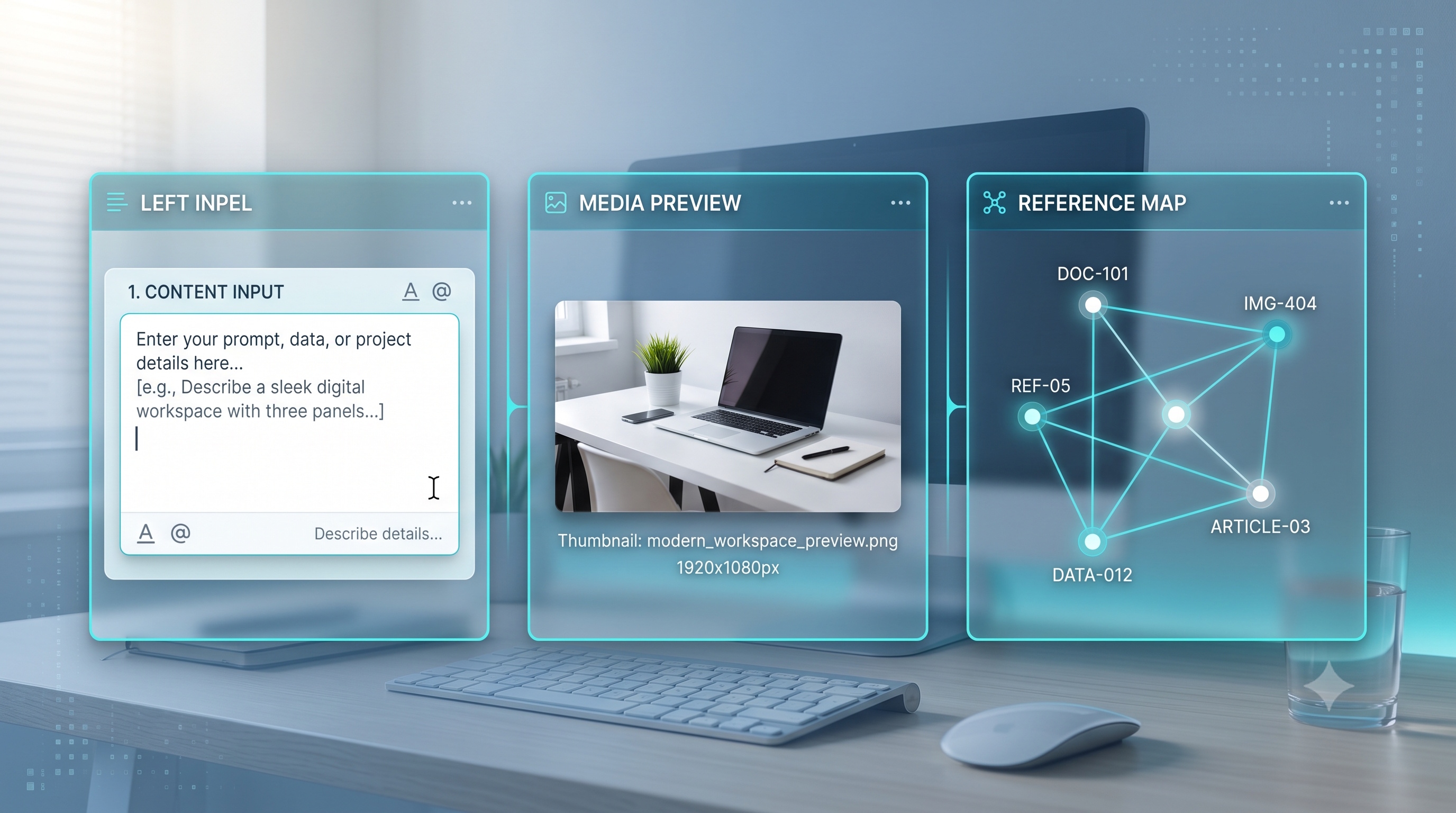
Custom fields are a powerful mechanism for tailoring software platforms to specific business needs. Text fields capture concise or rich textual data, image fields bring visual context while demanding careful storage and performance handling, and reference fields create robust links across data domains. By adhering to the design principles, validation rules, and performance optimizations outlined in this article, developers can implement custom fields that are secure, scalable, and maintainable. Thoughtful planning, consistent naming, and rigorous testing will ensure that custom fields enhance, rather than hinder, the overall system architecture.

Autoscaling Groups Explained
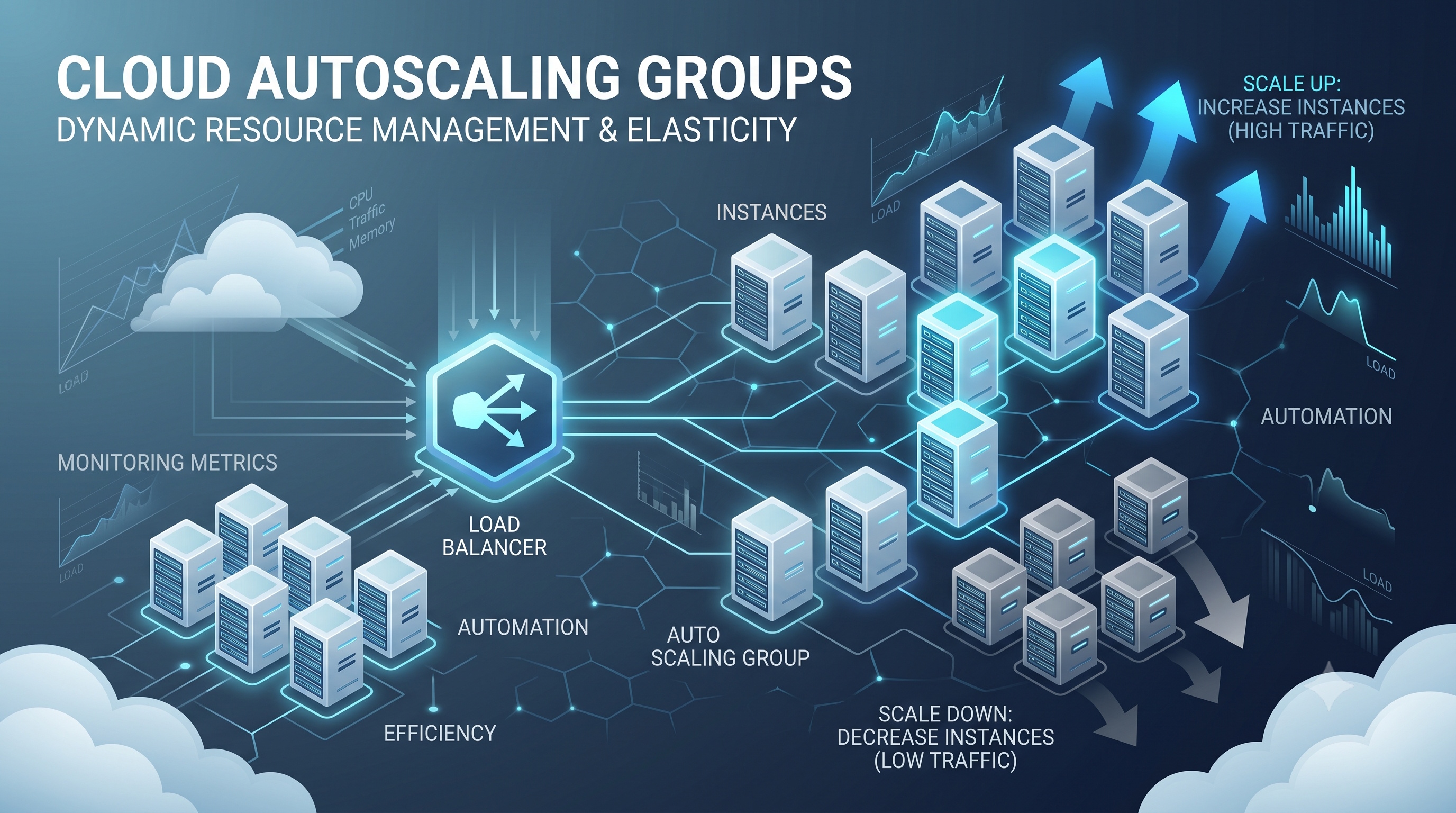
Autoscaling groups are a foundational component of resilient, cost‑effective cloud architectures. By automating the provisioning and decommissioning of compute resources, they enable organizations to deliver consistent performance while adhering to budgetary constraints. Successful implementation relies on well‑defined launch configurations, thoughtful scaling policies, and continuous monitoring. When applied correctly, autoscaling groups transform capacity management from a reactive task into a proactive, self‑optimizing system that scales with business needs.

Deploying a Docker Container on ECS
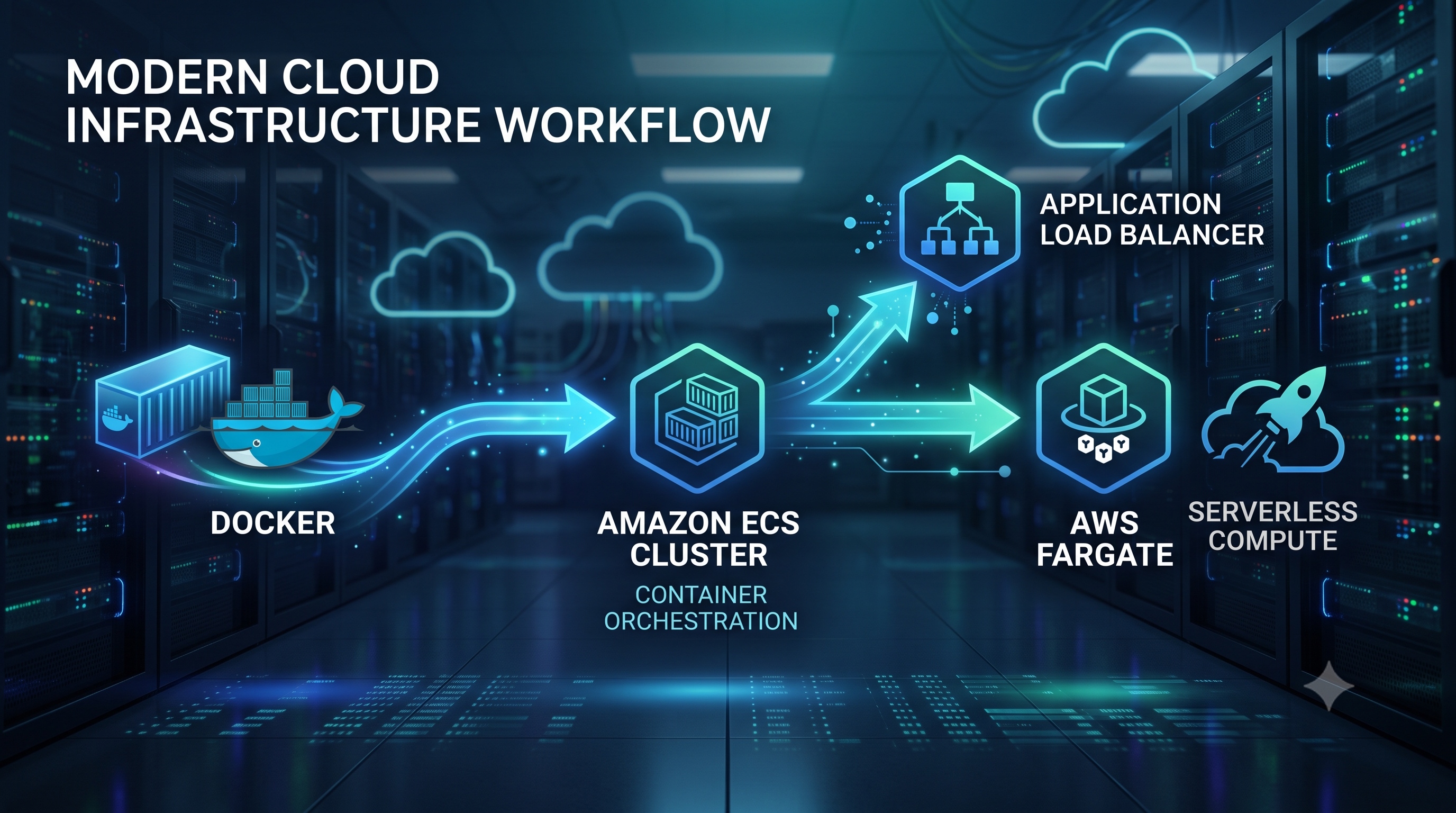
Deploying a Docker container on Amazon ECS involves a disciplined sequence: building a lightweight image, securing a registry, configuring networking and IAM, defining a precise task definition, and launching a resilient service. By following the best practices outlined above, teams can achieve consistent, scalable, and observable container workloads on AWS. Continuous monitoring, automated scaling, and proactive troubleshooting further ensure that the deployment remains robust as traffic patterns evolve.

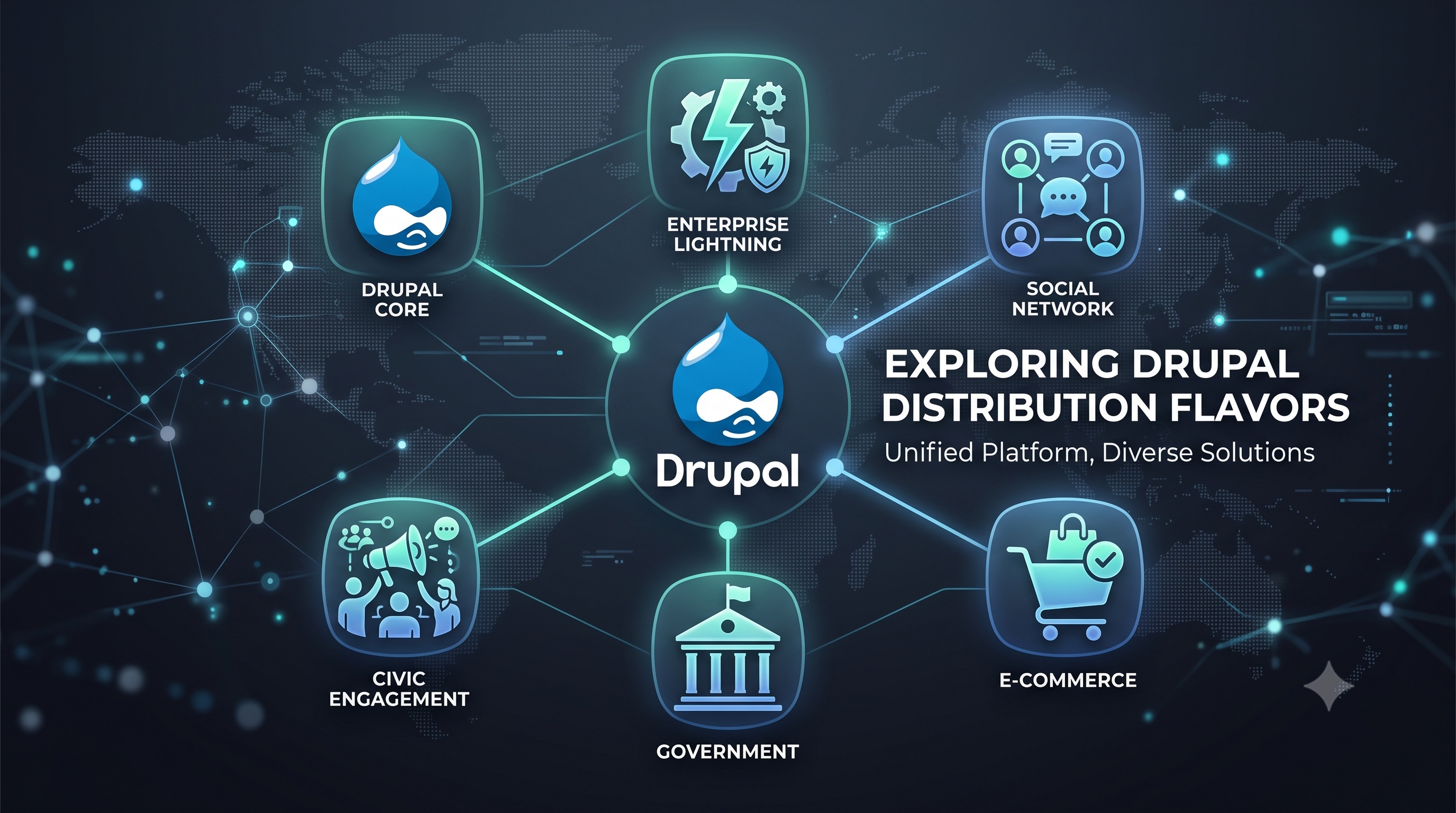
Comparing Drupal Distribution Flavors
Drupal distributions provide a spectrum of ready‑made solutions that reduce development effort while preserving the flexibility inherent to the Drupal ecosystem. Standard Drupal offers maximum control for seasoned teams, whereas specialized flavors such as Acquia Lightning, Open Social, Drupal Commerce, GovCMS, and Civic Platform address distinct verticals with pre‑configured features and compliance guarantees. A systematic evaluation of business objectives, team capabilities, regulatory demands, and scalability expectations will guide stakeholders toward the distribution that aligns best with their strategic roadmap. Selecting the appropriate flavor not only accelerates time‑to‑market but also establishes a solid foundation for future growth and adaptation.


Building Multilingual Sites with Drupal
Drupal is a powerful and flexible content management system (CMS) that allows developers to create complex and scalable websites. One of the key features of Drupal is its ability to support multilingual sites, making it an ideal choice for organizations that need to reach a global audience. In this article, we will explore the process of building multilingual sites with Drupal, including the benefits, challenges, and best practices.


Configuring Core Modules for a Basic Site
Configuring core modules is a crucial step in setting up a basic site, as it lays the foundation for the site's functionality and user experience. In this article, we will delve into the world of core modules, exploring what they are, why they are important, and how to configure them for a basic site. Whether you are a seasoned developer or just starting out, this guide will provide you with the knowledge and expertise needed to configure core modules like a pro.